V ii 1 Nuncio nihil imputandem Don't blame the messenger
Hic ferè est hominum affectus, ut tristia nuntianti perinde indignentur, quasi fecerit, quod factum nuntiat. Creonti itaque succensenti nuntio, quod parum laeta adferret, ita respondet: Ο δρῶν ἀνιᾷ τὰς φρένας. τὰ δ᾽ ὦτ᾽ ἐγὼ. id est, Qui fecit, animum discruciat, aures ego. Eiusdem nuntii versus est: Στέργει γὰρ οὐδεὶς ἄγγελον κακῶν ἐπῶν. id est, Nemo hunc camat, qui verba nuntiat mala. Accommodari poterit ad eum qui lapsum admonet, ut magis sibiipsi succenseat, qui crimen admisit, quam ei, qui necessariam admovet correptionem. Nam correptio ad tempus molesta est auribus, sed sceleris conscientia perpetuo mentem fodicat.
Human beings are so constituted that they round on someone who brings bad news as fiercely as if he were responsible for it. When Creon rails at the messenger for bringing unwelcome tidings, he replies, 'He who has done the deed wounds your soul; I trouble only your ears.' He also says, 'No one ever loves the bearer of bad tidings.' This saying can be used in a situation where it is necessary to reprimand someone for committing a fault, so that the guilty person then vents his anger on himself rather than on the one who applies the necessary rebuke. The rebuke is unwelcome at the time, but a guilty conscience pricks for ever.
V ii 2 Quod fieri non potest, nec incipiendum quidem est Do not even begin what cannot be achieved
Prius retulimus, ἀδύνατα θηρᾶς, id est, impossibilia venaris. Quod aliis verbis expressit Sophocles in Antigone: Αρχὴν δὲ θηρᾶν οὐ πρέπει τ᾽ ἀμήχανα. id est, Quae efficere nequeas, nec vel ordiri decet. Verba sunt Ismenes deterrentis Antigonem, ne Polynicen sepeliat adversus regium edictum.
I have already listed [greek] 'You pursue the impossible.' Sophocles expressed the same idea in different words in Antigone: It is not right even to start upon a hopeless quest. Here Ismeme is trying to deter Antigone from burying Polynices in defiance of the king's order.
Facsimile: 
Iconclass: 52BB42:54D3 Impossibility❧Completion 52BB53:51F5 Nonsense, Absurdity❧Beginning; 'Principio' (Ripa)
Loci Communes: Impossibilia (Impossible things, Choses impossibles)
V ii 3 Cor calidum in re frigida A hot heart in a cold task
Eadem Ismene dehortans Antigonem ab audaci facinore ait: Θερμὴν ἐπὶ ψυχροῖσι καρδίαν ἔχεις. id est, Profecto tu cor calidum habes in frigidis. Albi diximus calidum facinus audax et praeceps appellari. Frigida hic appellat, quorum feliciter perficiendorum exigua spes erat.
The same Ismene, when trying to persuade Antigone to abandon her bold plan, says, 'Hot is the heart you bring to this cold task.' I have already noted that 'a hot deed' is one that is bold and precipitate. By 'cold' here she means 'unlikely to be carried through.'
V ii 4 Frustra niti dementiae est Folly it is to strive to no good purpose
Rursus in eadem ita loquitur: τὸ δὲ περισσὰ πράσσειν οὐκ ἔχει νοῦν οὐδένα.. id est, Frustranea agere insignis est amentiae. Non solum amentiae est, iniusta agere, verum etiam supervacanea. Ex iniustis interdum aliquod est lucrum, ex supervacaneis nullum.
Again in the same play, Ismene says, 'There is no sense at all in doing what is needless.' It is folly not only to do what is not right, but also to do what is not necessary. Sometimes there is something to be gained from the unjust deed, but never from the unnecessary.
Facsimile:
Iconclass: 52AA511:58AA3 Ridiculousness❧Unproductiveness, Fruitlessness, Lost Labour, Wasted Labour
Loci Communes: Inanis opera (Vain effort, Effort vain)
V ii 5 Principi obtemperandum in omnibus The prince must be obeyed in all things
Non sine proverbiali schemate dictum est in eadem tragoedia, quod ait Creon. Αλλ᾽ ὅν πόλις στήσειε, τοῦδε χρὴ κλύειν Καὶ σμικρὰ καὶ δίκαια καὶ τ᾽ ἀναντία. id est, Sed principatum civitas cui tradidit Hic audiendus, sive laevia praecipit, Sive aequa mandat, sive & his contrarta. Vox autem tyranni est non principis. Neque enim princeps est, qui praescribit iniusta.
The following words of Creon in the same tragedy have a proverbial ring: 'Of that one man, whosoe'er he be, / Chosen by the city as its ruler, / Every command must be obeyed, / Small things, just things, and their opposites.' But these are the words of a tyrant, not a prince, for he who commands injustice is no prince.
Facsimile:
Iconclass: 53B5:44B113s Obedience; 'Obedienza' (Ripa)❧?
Loci Communes: Potentes (The powerful, Les puissants); Injustitia (Injustice, Injustice)
V ii 6 Civitas non civitas A city and no city
Haemon Creontem tendentem ad tyrannidem, ita tangit: Πόλις γὰρ οὐκ ἔσθ᾽ ἥτις ἀνδρὸς ἔσθ᾽ ἑνός. id est, Quae unius hominis, illa non est civitas. Dixerat Creon ipsius esse, non alterius imperare regioni. Haemon negat eam esse civitatem, ubi summa a rerum penes unum hominum est. Polis enim Graecis, vel à versando, vel à multitudine dicta videtur: Latini Rem publicam appellant. At Respub. non est, ubi unius arbitratu aguntur feruntur omnia. Itaque quum Creon respondisset, civitatem censeri illius, qui imperat, subicit Haemon: Καλῶς, ἐρήμης γ᾽ ἂν σὺ γῆς ἄρχης μόνος, id est, Rectè, unus ut deserto in agro regem agas. Regium est imperare liberis, neque quicquam absque civium consensu tentare.
When Creon begins to speak and act like a tyrant, Haemon stings him with the following words: 'What one man owns can never be a city.' Creon had just said that he and no other had the right to rule the land. Haemon replies that there cannot be a city where the supreme power is in the hands of a single individual. The Greek word for city, polis, comes either from a Greek word meaning 'to go about in,' or from one meaning 'many.' The Latin term is respublica 'republic.' It is not a republic where everything proceeds and is done according to the decision of one individual. So when Creon replies that the city belongs to him that rules it, Haemon retorts, 'Yes, if you rule alone an empty land.' The proper function of a king is to command free men and not attempt anything without the consent of the citizens.
Facsimile: 
Iconclass: 44B119 tyrant, dictator 52BB42:44B23 Impossibility❧municipal government
Loci Communes: Potentes (The powerful, Les puissants); Vis injustia (Unjust force, Force injuste)
V ii 7 Mens coeli, terraeque regina Mind, queen of heaven and earth
Socrates apud Platonem in Philebo: πάντες γὰρ συμφωνοῦσιν οἱ σοφοὶ, ἐαυτοὺς οὕτω σέμύνοντες, ὡς νοῦς ἐστὶ βασιλεὺς ἡμῖν οὐρανοῦ καὶ γῆς. i. Omnes enim sapientes consentiunt hoc pacto se ipsos honestantes, quod mens nobis regina coeli & terrae. Sentit sapientia gubernari omnia potius quàm voluptate. Quum enim Philebus probasset felicitatem ex sapientia & voluptate mixtam, quaeri ceptum est utra duarum plus haberet momenti ad beatitudinem. Quoniam autem Plato dicit in hoc omnes consentire, subindicat fuisse vulgo iactatum. Convenit huic, quod habet Haemon Sophocleus: Πάτερ, θεοὶ φύουσιν ἀνθρώποις φρένας, Πάντων ὅσ᾽ ἐστὶ χρημάτων ὑπέρτατον. id est, Pater, dei mentem inserunt mortalibus, Quae res opes exsuperat omnes maxime.
In the Philebus Plato represents Socrates as saying 'All philosophers agree, and in so doing they enhance their own standing, that "The mind is the queen of heaven and earth."' His view is that everything is directed by wisdom rather than pleasure. After Philebus had argued that happiness depends on a combination of wisdom and pleasure, the discussion then moved on to the question of which of the two was of more significance for the attainment of the happy life. Plato's remark that everyone agreed on this hints at its being a common saying. Sophocles' character Haemon expresses a comparable idea: 'Father, it is the gods that grant men wisdom, / The noblest thing of all that they possess.'
V ii 8 Primas jactare hastas Throw the first spears
M. Tull. lib. De oratore. 2. primas iactare hastas dixit, pro velitari, quod ad oratorem transfert, cuius dictio initio debet esse lenis ac sedata, ut paulatim incaudescat oratio. Notat ibi Philippum oratorem, qui solitus sit ita ad dicendum surgere, ut nesciret primum verbum quod esset dicturus, sed aiebat se posteaquam concalefecisset brachium tum pugnare. Atqui non attendit, inquit, eos ipsos unde similitudinem ducit, illas primas hastas ita tractare leniter, ut et venustati vel maximè serviant, & reliquis viribus suis consulant. παροιμιῶδες erit, si ad disputationis aut contentionis exordium transferatur. Idem unico verbo dicitur velitari.
In book two of his work the Making of an Orator, Cicero uses the phrase 'To throw the first spears' in the sense of 'to start the preliminary skirmishing.' He applies this to the orator, whose opening words should be low-key and unimpassioned, so that his speech is able to take fire as it goes along. In this passage he censures the orator Philippus for being in the habit of rising to speak without knowing what was the first word he was going to utter. Philippus used to say that he didn't start fighting until he had got his arm warmed up, but, as Cicero comments, Philippus did not notice that the very gladiators from whom he took his simile did indeed throw those self-same 'first spears,' even if they did so without exerting a lot of force at this point, their aim being to display graceful movement while saving their strength for later. This becomes proverb-like if it is transferred to the opening section of a discussion or dispute. One can express the same idea with the simple word 'to skirmish.'
Facsimile:
Iconclass: 51F5:46A633 Beginning; 'Principio' (Ripa)❧debate, discussion (~ meeting) 51F5:49C4 Beginning; 'Principio' (Ripa)❧discussion, dialogue, dispute ~ scholar, philosopher 45C11(SPEAR)(+63) casting weapons: spear (+ handling of weapons)
Loci Communes: Absurda, indecora, seu praepostera (Absurd, unbecoming, or preposterous things, Choses absurdes, inconvenantes ou déplacées); Experientae seu pericliationis (Experience or risk-taking, Expérience ou mise à l'épreuve)
V ii 9 Omissis fontibus consectari rivulos Ignore the fountain-head and follow along the stream
In eodem libro non sine proverbii specie dixit rivulos consectari, pro eo quod est minus ad rem pertinentia dicere, omisso eo quod est negotii caput. Hac metaphora videtur admodum delectatus Hieronymus. Marci Tullii verba sic habent: Tamen tardi ingenii est, rivulos consectari, fontes rerum non videte. Etiam aetatis est, ususque nostri à capite quod velimus arcessere, et unde omnia manant videre.
In the same book, Cicero uses another proverbial expression when he says, 'Follow along the stream,' meaning to ignore the essential point and say things not particularly relevant. Jerome seems to have been very fond of using 'streams' in this metaphorical way.2 Cicero says, 'It is the sign of thick-wittedness to follow along the stream and not see its source. But by this time persons of our maturity and experience will fetch what we want from the fountain-head and see whence flows this material.'
Facsimile:
Iconclass: 31A2711:25H21 walking❧water course 52AA52:51A5 Misjudgment❧Intrinsic Nature, Essence, Idea (according to Plato)
Loci Communes: Absurda, indecora, seu praepostera (Absurd, unbecoming, or preposterous things, Choses absurdes, inconvenantes ou déplacées)
V ii 10 Res palaestrae et olei A thing of oil and the wrestling-school
Quae non ad serium negotium, sed ad lusum et ostentationem adhibentur, palaestrae & olei dicuntur, cum in praelio maioribus opus sit viribus. In palaestra non armati, sed uncti concertabant, tum quo difficilior esset apprehensio, et elapsus facilior, tum quo corpus esset nitidius: certabant enim nudi. M. Tullius lib. de Orat. 1. Nitidum quoddam genus est verborum & laetum, sed palaestrae magis & olei, quam huius civilis turbae ac fori. Huiusmodi fermè est in scholis quibusdam trita sophistica, quae ad ostentationem ac ludicram concertationem reddit hominem invictum, ad serias tractationes inutilem: itaque recte in eodem lib. monet quidam, ut dictionem ex domestica exercitatione & umbratili, medium in agmen, in pulverem, in clamorem, in castra atque in aciem forensem. Consimiliter lib. 2. De Isocratis discipulis agens, Sed eorum, inquit, partim in pompa, partim in acie illustres esse voluerunt. Eodem spectar quod ait lib. de legibus 1. Fanii autem aetate coniunctus Antipater, paulo inflavit vehementius, habuit que vires agrestes ille quidem atque horridas, sine nitore ac palaestra, sed tamen admonere reliquos potuit, ut accuratius scriberent. Haec ibi. Quod prius dixerat oleum, hic vocat nitorem. Et in libro de claris oratoribus, unctius vocat, quod est nitidius. Iam, inquit, erat unctior quaedam splendidiorque consuetudo loquendi. Rursus in Oratore ad Brutum: Numerus autem nondum depromebatur, neque habebat aliquam necessitudinem aut cognationem cum oratione: itaque serius aliquanto notatus et cognitus, quasi quandam palaestram et extrema lineamenta orationi attuhr: palaestram appellat venustarem ad ostentationem adhibitam. In his porro verbis, nec illud absque proverbii specie dictum est, extrema lineamenta, pro extrema manu, metaphora ducta à pictoribus.
Activities which have no serious purpose but are intended only for relaxation and display are said to be 'Things of oil and the wrestling-school.' The contenders in the wrestling-school strove unarmed but oiled. The oil made it more difficult to grip an opponent and easier to escape from his. hold; also it made the body shine, as they wrestled naked. In the Making of an Orator, book one, Cicero writes, 'They use glossy, luxuriant words which belong more to oil and the wrestling-school than to the hurly-burly of politics and the lawcourts.' Some oratorical schools practise this kind of wellworn sophistic oratory, which teaches a man how to triumph in an artificial, show-piece debate, but makes him useless for genuine law-suits. So one of the characters in this same book is quite right to say that speaking needs to be brought out of the domestic, sheltered training-ground into the middle of the action, into the dust and shouting, the camp, the battle-line of the courts. Likewise, in book two, where he is speaking of Isocrates' students: 'Some of them had ambitions to excel in display, others in battle.' A passage in book one of On the Laws deals with the same subject: 'Antipater was contemporary with Fannius. He blew a bit harder and displayed some strength. This may have been rough and unpolished, without any sign of gloss or the exercise-ground, but he was able to show the others that they should take more care with their writing.' Here Cicero uses 'gloss' instead of 'oil' as above. In the work on famous orators, he uses 'glossier' in the sense of 'more brilliant': 'By now a glossier and showier style of speaking had come in.' Again, in the Orator, a work he addressed to Brutus: 'Rhythm was not yet out in the open and had no necessary relationship or connection with prose. So it was only later, once it had been observed and recognized, that it brought to prose style the finishing touch, something of the wrestling-school.' By 'wrestling-school' here he means a certain attractiveness of movement, introduced purely to give pleasure. In this last passage there is another proverbial expression, extrema lineamenta 'the finishing touch,' a metaphor derived from painting.
Facsimile: 
Iconclass: 54D21:46A633 Practice; 'Prattica' (Ripa)❧debate, discussion (~ meeting) 43C392(+4) wrestling (sport) (+ requirements, necessaries ~ sports and games)
Loci Communes: Exercitatio (Practice, exercise, Exercice)
V ii 11 Operarii Hired labourers
Ibidem non absque proverbii specie operarios appellat, qui citra philosophiae cognitionem causas agunt. Architectus ex atte rationem operis praescribit; operarii vero non iudicium suum, sed tantum operam adhibent, iuxta praescriptum. At qui philosophiam callet, ex se paratus est de quavis re recte dicere. M. Tul. de Mnesarcho loquens, Hos quos nos oratores vocamus, nihil esse dicebat, nisi quosdam operarios, lingua celeri & exercitata: oratorem autem nisi qui sapiens esset, esse neminem. Rursus in Bruto: Nam illud minus curo, quod congessisti operarios omneis, ut mihi videantur mori voluisse nonnulli, ut à te in oratorum numerum referrentur. Huius generis oratores lib. De claris oratoribus appellat vocales: Addamus, inquit, huc etiam, ne quem vocalem praeterisse videamur, C. Cosconium Calidianum. Transferri poterit concionatores, qui quod parum exercitati sunt in sacris literis, è Collectaneis ediscunt quod apud populum multo clamore, multaque corporis iactatione detonent. Aut qui in templis ingenti boatu canunt non intellecta, Non concionatores, sed operarii, non cantores, sed operarii.
In the same book, Cicero is employing a proverbial turn of phrase when he applies the words 'Hired labourers' to people who plead cases without any knowledge of philosophy. An architect says how a building is to be constructed, using his expert knowledge; the day-labourers do not use their own judgment, but merely apply their labour where they are directed. Someone with philosophical expertise is equipped to speak properly on any topic out of his inner resources. Cicero says, with reference to Mnesarchus, 'The men whom we call orators he said were nothing but a kind of hired labourer, with quick and practised tongues. No one could be an orator unless he were a philosopher.' Again in Brutus: 'I am not so concerned about your collecting together all these "hired labourers." I imagine some people would gladly be dead in order to qualify for inclusion in your list of orators.' In the book On Famous Orators he says this kind of orator mostly 'has the power of human speech': 'We don't want to leave out anyone with the power of human speech, so let's include Gaius Cosconius Calidianus.'3 This word 'labourer' could be used of preachers who are not sufficiently expert in the Scriptures and so learn up something out of books of extracts, which they can then thunder at the people with much waving of arms; or those who boom out in choir what they don't understand. Not preachers, but hired labourers; not choristers, but hired labourers.
Facsimile:
Iconclass: 33A34 person addressing a group, orator 46A1711(+0) employee asking for work (+ variant)
Loci Communes: Absurda, indecora, seu praepostera (Absurd, unbecoming, or preposterous things, Choses absurdes, inconvenantes ou déplacées); Imperitia (Inexperience, lack of skill, Inexpérience)
V ii 12 E schola cantilena A sing-song from the schools
Plautus ut ante admonui, Theatri nugas appellat, quae solent in comoediis recitari. M. Tullius è scholis cantilenam appellat orationem declamatoriam ac iuvenilem, plus habentem ostentationis quam sapientiae: locus sic habet eodem libro: gerendus est tibi mos adolescenti bus Crasse, qui non Graeci alicuius quotidianam loquacitatem, neque ex scholis cantilenam requirunt, sed ex homine omnium sapientissimo atque eloquentissimo, atque ex eo qui non in libellis, sed in maximis causis & in hoc domicilio imperii & gloriae, sit consilio linguaque princeps. Conveniet in illos qui nunquam versati sunt in bonis autoribus nec ex ipsis fontibus hauserunt eruditionem solidam, sed tantum in scholis decantata tenent. Quod genus sunt illa, non crederem Evangelio, nisi me ecclesiae compelleret autoritas, & ingratum est spiritui sancto quicquid offertur, eo praetermisso quod debebatur. Multa fecit dominus Iesus quae non sunt scripta. Non dimittitur peccatum, nisi restituatur ablatum.
As I recorded earlier, Plautus calls 'stage-nonsense' the things always being trotted out in comedy. Cicero calls 'A sing-song from the schools' a piece of declamation suited to students, more a demonstration of technique than an expression of sensible content. The phrase comes in a passage from the book quoted above: 'You must oblige our young friends, Crassus. They don't want a piece of stock fluency from some Greek or other, no singsong from the schools. They want something from the wisest and most eloquent of men, and what's more, one shown to be supreme in counsel and eloquence, not in minor literary productions, but in causes of the greatest import, right here in this very seat of empire and glory.' The phrase can be applied to those who have never made the acquaintance of good authors, never drawn solid learning from the fountain-head, but simply keep to the old themes chanted over and again in the schools. Examples are: 'I would not believe the Gospel, if the authority of the Church did not compel me'; 'No offering is acceptable to the Holy Spirit if what is needful is omitted'; 'The Lord Jesus did many other things which have not been written down'; 'No forgiveness of the sin without restitution of the thing.'
Facsimile:
Iconclass: 49B(+2) scholastic education, tuition (+ lesson, lecture) 51AA4:51BB6 Nothingness, Absence❧Originality
Loci Communes: Exercitatio (Practice, exercise, Exercice)
V ii 13 A Deo ficti Fashioned by heaven
Qui vehementer ad aliquid natura compositi sunt, hos proverbiali sermone ad hoc natos, factos sculptosque dicimus: insignem autem naturae dexteritatem M. Tullius eleganter expressit eodem libro: Sunt autem, inquit, quidam ita naturae muneribus in iisdem rebus habiles, ita ornati, ut non nati, sed ab aliquo deo ficti videantur. Allusit autem ad Pandoram quam finxit Vulcanus, ceteris item diis sua munera in unam conferentibus.
Of those who seem especially fitted by nature for something in particular, we say, using a proverbial expression, that they are born, made, fashioned, for whatever it is. In the same book Cicero used a neat expression for such remarkable natural ability: 'There are others who are so well fitted in all these points, so well supplied with natural gifts, that they seem to be not just born but fashioned by some divinity.' There is an allusion here to Pandora, who was fashioned by Vulcan, with all the other gods each conferring on her his or her own gift.
Facsimile:
Iconclass: 51H4:52A13 Plenitude❧Talent 51H4:54A33 Plenitude❧Skill, Ability; 'Artificio', 'Prontezza' (Ripa)
Loci Communes: Munus aptum aut ineptum (A gift fitting or unfitting, Un présent convenable ou inconvenant)
V ii 14 E circulo Out of a group in the street
Hominem è trivio, plebeium & contemptum appellamus. Marcus Tullius, pro eo dixit è circulo. Circulum autem vocat conventiculum hominum in foro aut in plateis confabulantium. Ita Crassus eodem quem modo citavimus libro. Effudi vobis omnia quae sentiebam, quae fortasse si quemcumque patremfamilias arripuissetis ex aliquo circulo, eadem vobis percontantibus respondisset.
'A fellow out of the gutter' - so we speak of a low-class contemptible person. Cicero has a phrase, 'Out of a group in the street.' This 'group in the street' is a gathering of men chatting together in the town centre or in the squares. Crassus, in the book I have just cited, says, 'I have poured out before you all my thoughts on the subject. If you had picked any ordinary family man out of a group in the street, possibly he would have given the same answer to your question.'
Facsimile:
Iconclass: 46A7 crowd, mob 46A633(+0) debate, discussion (~ meeting) (+ variant)
V ii 15 Causa cadere, formula cadere. Ex jure manu consertum To lose one's action, to lose one's case on a fault in the formula. To lay on hands according to law.
Quemadmodum prisci iureconsulti dicebant aliquem ex iure manu consertum vocari, cui lis intendebatur: ita cadere dicebatur, qui male agendo ius agendi perdidisset. utrumque fiet παροιμιῶδες, si accedat translatio: veluit si quis dicat, Theologi Laurentium Vallam ex iure manu consertum vocare non desinunt, quod homo grammaticus materia theologicas occupaverit. utrunque est apud M. Tullium eodem libro sub persona Scaevolae: Quod vero in extrema oratione quasi tuo iure sumpsisti, oratorem in omni sermonis disputatione copiosissime posse versari, id nisi in tuo regno essemus, non tulissem, multisque praeessem, qui aut interdicto tecum contenderent, aut te ex iure manu consertum vocarent. & aliquanto post cum Hypseus maxima voce plurimis verbis a M. Crasso praetore contenderet, ut ei quem defendebat causa cadere liceret. Gn. autem Octavius homo consularis, non minus longa oratione recusaret, ne adversarius causa caderet. Idem pro L. Murena: Et si turpe existimas te advocato illum ipsum quem contra veneris, causa cadere. Meminit et Quintilianus libro 7. ca. 4. Apud priscos superstitiose servabatur, ut qui in actione instituenda vel ver bo lapsus esset, causa caderet, cuius superstitionis vestigia non exigua adhuc resident apud Anglos, interdum totum instrumentum reicientes, si cognomen aliquod una litera secus fuerit scriptum. Iustinianus Institutionum iuris lib. 4. tit. De actionibus, paragrapho, si quis, Si quis, inquit, agens in intentione sua plus complexus fuerit, quam ad eam pertineat, causa cadebat: idest, rem amittebat, nec facile in integrum restituebatur, nisi minor erat 25. annis, &c. Proximo autem paragrapho vocem hanc, plus, ostendit quadrifariam intelligi, re, tempore, loco et causa. Re, si quis pro decem aureis petat viginti. Tempore, si quis ante diem vel ante conditionem petat. Loco, si quis Romae petat, quod Ephesi promissum est, Causa, si quis stipulatus Stichum aut viginti aureos, petat Stichum pura actione, cum electio sit promissoris. Pro eodem dici videtur rem amittere, litem perdere, & formula cadere, Iustinianus lib. 4. tit. De exceptionibus, paragrapho, Appellantur: cum temere, inquit, rem in iudicium deducebant, & consummebant, qua ratione rem amittebant. Horat. in Sermonibus: Et casu iam respondere vadato Debebat, quod ni fecisset, perdere litem. Quintilianus lib. 3. cap. 8. Neque ignoro multa transferri in omnibus fere causis, in quibus cecidisse quis formula dicitur, hae sunt quaestiones, an huic, an cum hoc, an hac lege, an apud hunc, an hoc tempore liceat. Seneca libro epistolarum 6. epist. 49. De philosophis agens, qui vocum argutiis ostendebant eruditionem. Quid enim, inquit, aliud agitis, quum eum quem interrogatis, scientes in fraudem inducitis, quam ut formula cecidisse videatur? Sed quemadmodum illum praetor, sic hos philosophia in integrum restituit, ita Seneca. Quin hoc ipsum in integrum restituere, si a foro transferatur ad alia, παροιμιῶδες est. poterit ita deflecti ut dicatur causa cecidisse, qui ius obiurgandi filium amisit, quod cum suo exemplo aut largitione ad nequitiam provocarit. Illa porro sermonis formula ex iure manu consertum, ab ipsis duodecim tabulis sumpta videtur, quemadmodum indicat Aul. Gellius lib. Noctium Atticarum 20. cap. 9. Antiquitus inter quos erat de agro aut simili de re controversia, in rem praesentem veniebant, et apud praetorem vindiciarum causa manus conserebant, hoc est, alter alterius manum corripiebat. Sed cum propagatis Italiae finibus, gravarentur praetores vindiciarum causa longius proficisci, institutum est, ut litigantes non ex iure apud praetorem manu consererent, sed ex iure manu consertum vocarent, hoc est, alter alterum ex iure ad conserendum manum in rem, de qua ageretur, vocaret: simulque profecti in agrum, de quo litigabatur, terrae aliquid ex eo, aut unam glebam in ius in urbem ad praetorem deferrent, & in ea gleba tamquam in toto agro vindicarent. M. Tullius li. epistolarum 7. scribens Trebatio iureconsulto: tantum metuo ne artificium tuum tibi parum prosit. Nam, ut audio, isthic. Non ex iure manu consertum, sed mage ferro Rem repetunt, regnumque petunt, vadunt solida vi. Huiusmodi vindiciarum formulam M. Tullius facetissime expressit in oratione pro L. Murena: itaque irati illi, quod sunt veriti, ne dierum ratione pervulgata et cognita, sine sua opera lege posset agi, notas quasdam composuerunt, ut omnibus in rebus ipsi intressent, quum hoc fieri bellissime posset. Fundus Sabinus meus est, imo meus: deinde iudicium voluerunt. Fundus, inquit, qui est in agro, qui Sabinus vocatur, satis verbose. Cedo, quid postea? Eum ego ex iure meum esse aio. Quid tum? Inde ibi ego te ex iure manu consertum voco. Quid huic tam loquaciter litigioso vesponderet ille, unde petebatur non habebat. Transit iureconsultus, tibicinis Latini modo. Unde tu me, inquit, ex iure manu consertum vocasti, inde ibi te revoco. Hactenus M. Tullius. Metaphora sumpta est a bellis, in quibus manus conserere dicuntur, qui cominus confligunt, quemadmodum indicat M. Varro libro de Lingua latina secundo.
In the old Jurisconsults, a person against whom a suit was brought was said to be summoned Ex hire manum consertum 'To lay on hands according to the law.' Also, a person who lost the right of raising an action by raising it wrongly was said Causa cadere 'To fall from the case,' that is, to lose the action. Either of these phrases can be treated as proverbial if used metaphorically; for example, 'The theologians never stop summoning Lorenzo Valla "to lay on hands according to law," because, although a literary man, he has seized on theological territory.' Both phrases are put into the mouth of Scaevola in Cicero's book, the Making of an Orator, 'As for the assumption you made at the end of your discourse, apparently assuming yourself to be within your rights so to do, namely, that the orator can deal more than adequately with any topic whatsoever under discussion, if we were not in your own kingdom, I would not have let it pass. I would be putting myself at the head of a whole company of people prepared to dispute with you by interdict, or summon you "To lay on hands according to the law."' And then a little further on: 'When Hypsaeus was going on at great length and at the top of his voice, trying to get the praetor, Marcus Crassus, to rule that the person he was defending should be allowed causa cadere "to withdraw from the action," and Gnaeus Octavius, a man of consular rank, was, in a speech equally long, objecting to the opposing party causa cadere "so withdrawing .. ."' Cicero again, in the speech in defence of Lucius Murena: 'If you think it reflects badly on you, if a person to whom you have given legal advice and whom you later oppose in court should then causa cadere "lose his action" .. .' Quintilian is thinking of this in book seven, chapter four. The ancients stuck religiously to the procedure by which anyone who made even a verbal error in raising an action automatically 'lost his action.' There are considerable traces of this blind sticking to the rules in England, where sometimes a whole legal document is rejected because a name is written with a mistake in a single letter. Justinian in book four of the Institutes, title 'On actions,' section beginning 'If anyone':
If a plaintiff included in his statement of claim more than appertained to him,
causa cadebat 'he lost his action/ meaning that he lost the cause of action and
was only with difficulty restored to his original status, unless he was under
twenty-five years of age ...
In the next paragraph, he demonstrates four aspects of this 'overclaim': thing, time, place, cause; 'thing,' if twenty gold pieces are claimed instead of ten; 'time,' if the demand is made before the date specified or before stated conditions are fulfilled; 'place,' if payment is demanded in Rome when it was promised in Ephesus; 'cause,' if a person promised to hand over either Stichus or twenty gold pieces, and there is a straight demand for Stichus when the promissor or debtor-party has the right of election. The phrases rem amittere 'lose the cause of action,' litem perdere 'lose the case,' formula cadere 'lose the case on a fault in the formula' seem to mean much the same thing as causa cadere. See Justinian in book four, title 'On defences' in the paragraph beginning 'Defences are styled': 'When they rashly brought the issue into litigation and thereby destroyed it, whereby rem amittebant "they lost the cause of action .. ."' Horace in Satires:
As it so happened, it was already time for him
To answer a summons to the court:
If he did not himself present, perdere litem 'his case was lost.'
Quintilian, in chapter eight of book three: 'I am well aware that there are many changes to the basis of action in all those cases where someone is said "to lose on a fault in the formula." The questions asked are whether this person is entitled to bring the case, to bring it against this person, to do so under the provisions of this law, in this court, at this time.' In the forty-ninth letter of the sixth book, Seneca is speaking of philosophers who make a parade of their erudition by employing verbal trickery. 'What is your object/ he says, 'when you deliberately lead the person you are interrogating to make contradictory statements, if not to make it appear that he has formula cecidisse "lost his case on a fault in the formula"? But just as the praetor "restores" the man in a law-suit "to his original status," so does philosophy restore these.' This very phrase in integrum restituere 'to restore to the original status,' meaning 'to start afresh,' can be considered as a saying if it is transferred from its legal use and applied metaphorically to other things. Likewise, causa cadere 'to lose his case' can be used metaphorically of a man who has lost the right to censure his son because he has more or less provoked him into a dissolute way of life either by his own example or by giving him too much money. The formula 'lay on hands according to the law' actually comes from the Twelve Tables, according to Aulus Gellius in book twenty of the Attic Nights, chapter nine. In ancient times, those who were in dispute about a field or some such thing used to go out to the actual site and, in the presence of the praetor, by way of claiming ownership, would 'apply hands,' that is, each would seize the other's hand. But when the boundaries of Italy were extended, the praetors were unwilling to go long distances to oversee this procedure, and 'so the practice grew up of the parties to the dispute not "laying on of hands according to the law" in the presence of the praetor, but summoning to a "laying on of hands according to the law," that is, each would summon the other "to lay hands on" the thing in dispute according to the law, and then they would go together to the property in question and bring back some soil, or even a single sod, to the praetor's court in the city, and there lay claim to that sod as if to the whole field.' In book seven of the Letters to Friends, Cicero is writing to Trebatius, who was a Jurisconsult. He says, 'I am just afraid that your skills will not be of much use to you. From what I hear, the people there:
Claim not the thing by law, by laying on of hands,
But by the sword; dominion they desire,
By solid violence they proceed.'
Cicero paints a humorous picture of this kind of procedure for claiming ownership in his speech in defence of Lucius Murena:
They were furious because they were afraid that once it was generally known
and understood on what days the courts could sit people would be able to
go to law without their assistance. So they thought up some formulae, so that
their presence would be necessary on every occasion, though the following
procedure would have done very nicely. 'The Sabine farm is mine.' 'No it isn't,
it's mine.' Then the judgment. What they preferred was: "The farm which lies
in the territory that is called Sabine' - plenty of words there! So, what next?
'I declare it to be mine according to the law.' And then? 'On that account
I summon you there to the laying on of hands according to the law.' The
man against whom the claim was being raised was at a loss to know what
to say to such a loquacious litigant. So the legal expert crosses over to the
other character, like the Latin flute-players on the stage. He then says, 'On
that matter on account of which you have summoned me to lay on hands
according to the law, on that same account I summon you there in return.'
The phrase is itself metaphorical, derived from warfare, where those who fight at close quarters are said 'to join hand-to-hand,' as Varro tells us in book two of the Latin Language.
Facsimile: 
Iconclass: 44G41(+55) litigation, legal proceedings, lawsuit (+ verdict)
Loci Communes: Causa indefensa (An undefended case, Cause indéfendue)
V ii 16 Herciscere To apportion
Quaedam voces ob hoc ipsum habent proverbii gratiam, quod sint vel obsoletae vel alicui, professioni peculiares, veluti prisci iureconsulti, herciscere dicebant haereditatem dividere. Inde apud Iureconsultos actio herciscundae familiae. Porrò familiae vox omnem haereditatem ac res haereditarias complectitur. Haec actio nata est è duodecim tabulis, quarum haec verba recitantur, in Codice: cohaeredes à communione discedere volentes agunto. Id si transferatur ad alterius rei divisionem erit proverbiale, Veluti si quis dicat: inter Guilhel mum Budaeumm, & Leonardum Portium, de assis inventione concertantes, Ianum Lascarem datum herciscundae gloriae arbitrum. Et hoc seculo non nulli monachi rem prius communem inter se non dubitarent herciscere, idque sine praetore.
Certain words have acquired proverbial status by being obsolete or peculiar to a particular profession. For example, the old jurists used a word Herciscere 'To apportion an inheritance,' hence an action herciscundae familiae 'for apportioning an estate.' The word used here for 'estate,' familia, embraces the whole heritable property and heritable chattels. This kind of action finds its origin in the Twelve Tables, from which the following citation is given in the Codex: 'If the co-heirs desire to relinquish ownership in common, they shall institute action.' If the phrase is used metaphorically of some other kind of division, it becomes a saying. An example is: 'When Guillaume Bude and Leonardo de Portis were in dispute over which of them first discovered the as, Janus Lascaris was appointed arbiter herciscundae gloriae "in the apportioning of the glory."' In the present century, quite a few monks have not hesitated to 'apportion' amongst themselves what was previously common property, and that without reference to any legal process.
Facsimile: 
Iconclass: 51HH1:44G41(+55) Part, Section, Aspect❧litigation, legal proceedings, lawsuit (+ verdict)
Loci Communes: Aequalitas (Equality, Égalité)
V ii 17 Lapides flere Make stones weep
De re vehementer miseranda proverbiali hyperbole dici solet, eam esse tam lamentabilem, ut vel lapides cogantur ad fletum. M. Tullius in eodem libro, Tu vero vel si testamentum defenderes, sic ageres, ut omne omnium testamentorum ius in eo iudicio positum videretur: vel si causam ageres militis, patrem eius, ut soles, dicendo a mortuis excitasses, statuisses ante oculos, complexus esses filium, flensque eum centumviris commendasses, lapides me hercle omnes et flere ac lamentari coegisses, ut totum illud uti lingua nuncupasses, non in duodecim tabulis, quas tu omnibus bibliothecis anteponis, sed in magico carmine scriptum videretur, haec ille. Simili hyperbola semel atque iterum usus est Dominus, quum phariseis respondet, ipsos lapides clamaturos, si tacerent homines. Rursus quum Iudaeis de generis nobilitate gloriantibus, ait deum vel è lapidibus suscitaturum filiios Abrahae. Sed Christo fortasse nihil est hyperbolicum, qui potest quicquid vult efficere. In verbis autem Ciceronis, ad proverbium alludit magici carminis mentio: Quod enim vehementer commovet animum, quavis incantatione efficacius dicitur, sicut alibi retulimus.
A really heart-rending situation is said, in the words of an exaggerated but common turn of speech, to be piteous enough 'To wring tears out of a stone.' In that same work, On the Making of an Orator, Cicero writes:
No, if you were upholding the will, you would make it appear that the validity
of every will ever made hung on that particular case; if you were supporting
a soldier's claim, your oratory would, as so often, rouse his father from the
dead, set him before our eyes, you would embrace the son, commend him
to the court with tears, make the very stones, God bless us, weep and wail,
so that that old formula, 'As tongue hath uttered,' would seem to come, not
from the Twelve Tables which you revere more than a whole library of books,
but from some magic incantation.
Our Lord used a similar hyperbole once or twice, when He said to the Pharisees that 'if these were silent, the stones would shout out'; and to the Jews, priding themselves on their ancestry, that 'God is able from these stones to raise up children to Abraham.' Though in the mouth of Christ perhaps no statement is to be seen as a hyperbole, as He can bring about whatever is His will. In Cicero's words, the 'magic incantation' is an allusion to another saying, for anything that stirs us deeply is 'More effective than any spell,' as I recorded earlier.
V ii 18 Amentatae hastae Thonged spears
Arma parata ad pugnam M. Tullius appellat hastas amentatas, amentum enim lorum est hasta affixum, cui manum inserit hastam missilem torturus. Transferri potest ad dictum, aut orationem ab alio suppeditatam. locus eo quem hactenus citavi libro sic habet. In eo autem iure quod ambigitur inter peritissimos non esse difficile oratori eius partis, quancunque defendet, autorem aliquem invenire, à quo quum amentatas hastas acceperit, ipse eas oratoris lacertis viribusque torquebit. Idem in Bruto de T. Accio Pisaurensi loquens, Respondit pro A. Cluentio, qui & accurate dicebat & satis copiose, eratque praeterea doctus Hermagorae praeceptis, quibus & si ornamenta non satis optima dicendi, tamen ut hastae velitibus amentatae, sic apta quaedam & parata singulis causarum generibus argumentta traduntur. Rursus in topicis, de iureconsultis agens. Nam & adsunt multum, & adhibentur in in consilium, & patronis diligentibus ad eorum prudentiam confugientibus hastas ministrant. Item Quintilianus libro duodecimo, capite tertio. Neque ego nostri mors ignarus oblitusve eorum qui velut ad arculas sedent, & tela agentibus subministrant: neque idem Graecos quoque nescio factitasse, unde nomen his pragmaticorum datum. Telum igitur paratum ad torquendum, ut inventio sit alterius, dictio tantum tua, recte hastam amentatam dixeris. Non dissimile est illi quod ante retulimus de calciamento quod ab alio consutum alius induerat. Tale telum talisque calceus erat oratio Lysiae, quam Socrates probabat quidem ut perelegantem, sed negabat sibi convenire.
Cicero uses the term 'Thonged spears' of weapons supplied ready for use in battle. The amentum is a thong attached to the spear, into which the thrower inserts his hand. The phrase can be used metaphorically of a saying or form of words supplied by someone else. The passage in question comes from the book I have been citing hitherto: 'But on a point of law where experts disagree, it is not difficult for the orator to find some authority to support whatever side he is supporting. From that authority he will take his "thonged spears," which he will then hurl with all the muscle and force of the orator.' Cicero again, in Brutus, speaking of Titus Accius of Pisaurum: 'He spoke for the other side when I was defending Aulus Cluentius. He was a careful and reasonably eloquent speaker, and equipped moreover with the precepts of Hermagoras. Even if these precepts do not supply much in the way of rich ornamentation, they do offer appropriate and ready-made arguments for all the different types of law-suits, rather like the thonged spears supplied to skirmishers.' Again in Topica, speaking of jurisconsults, he says, 'They lend support and can be consulted, and when scrupulous advocates have recourse to their wisdom, they supply them with weapons.' Quintilian has something on the same subject in book twelve, chapter three: 'Nor am I ignorant of the way we usually do things, or forgetful of those who sit, as it were, by the boxes of weapons and supply those in action; and I am well aware that Greek practice was the same, hence their name pragmatici for attorneys, that is, "dealing with the practical side" ' So a weapon ready for hurling, devised by another but delivered by you, can well be called 'a thonged spear.' This is like something I wrote about earlier, about a shoe made by one person and worn by another. Just such a weapon and just such a shoe was Lysias' speech, which Socrates certainly judged to be a very nice specimen, but said did not suit himself.
V ii 19 Discum quam Philosophum audire malunt They would rather hear the discus than a philosopher
Vulgus hominum propensius est ad quamvis ineptas voluptates, quàm ad frugifera, Quod eleganter expressit M. Tullius libro De Oratore secundo. Discum, inquit, audire malunt quàm philosophum. Erat autem publici exercitamenti genus quo discus aeneus arte simul & viribus ita ab humo torquebatur in altum, ut intra certum spacium decideret. in iisdem autem locis in quibus huius lusus peragebantur, gymnasia vocant, disserebant & philosophi: Sed crepitu ad discum vocante, philosophum subito deserebant omnes. verba Crassi apud Ciceronem sunthaec, Nam & seculis multis ante gymnasia inventa sunt quàm in his philosophi garrire coeperunt, & hoc ipso tempore quum omnia gymnasia philosophi teneant, tamen eorum auditores discum audire quàm philosophum malunt: qui simul ut increpuit, in media oratione de maximis rebus & gravissimis disputantem philosophum omnes unctionis causa relinquunt: ita levissimam delectationem gravissimae, ut ipsi ferunt, utilitati anteponunt. Per iocum transferri potest ad discum escarium, cuius crepitum multi libentius audiunt, quàm vocem philosophi.
People are generally more inclined to frivolous pleasures than to worthwhile pursuits. Cicero put this neatly in the second book of his Making of an Orator. 'They would rather hear the discus than a philosopher.' There was an outdoor form of exercise in which a bronze disc was hurled into the air from ground level, being made by strength and skill to land within a certain area. The places where this sport was played, which were called gymnasia, were also used for philosophical lectures. But when the signal for the discus sounded, everyone abandoned the philosopher. Crassus is speaking in the passage in question:
Gymnasia were invented centuries before the philosophers started jabbering
away in them, and even today when philosophers have taken possession of
every gymnasium, the audience prefers the sound of the discus to the philoso-
pher. As soon as the discus clinks, they abandon the philosopher right in the
middle of his exposition of serious and important subjects and go and oil
themselves for exercise. And so they put frivolous enjoyment before serious
benefit, as the philosophers at least judge it.
This can be jokingly transferred to a dish of food, the clink of which many would rather hear than the voice of a philosopher.
Facsimile:
Iconclass: 56B4:43C35 Amusement❧discus-throwing 56FF1:49C3 Aversion❧scholar, philosopher
Loci Communes: Multi (Many people, Beaucoup de gens); Intemperantia, libido (Intemperance, lust, Intempérance, désir)
V ii 20 Conchas legere Gathering sea-shells
Summi ocii est conchas & umbilicos legere in littoribus, qui lusus esse solet puerorum. Quanquam transferri potest ad eos, qui aliud agentes obiter etiam leviora quaedam animi gratia admiscent. Crassus orator apud Ciceronem lib. De oratore secundo, de Laelio & Scipione loquens: non audeo, inquit, dicere de talibus viris, sed tamen ita solet narrare Scaevola, conchas eos & umbilicos ad Caietam & ad Lucrinum legere consuevisse, & ad omnem animi remissionem ludumque descendere. Umbilicos opinor appellat, vel conchas vel calculos umbilii formam imitantes, vel herbam quae Veneris umbilicus dicitur, autore Dioscoride. In conchis enim incredibili varietate lusit natura, quemadmodum refert Plinius lib. 9. cap. 33. Tot, inquit, colorum differentiae, tot figurae: planis & concavis longis & lunatis, in orbem circumactis, dimidio orbe caesis, in dorsum elatis, levibus, rugatis, denticulatis, striatis, vertice muricatim intorto, margine in mucronem emisso, foris effuso, intus replicato. Iam distinctione virgulata, crinita, crispa, cuniculatim, pectinatim, imbricatim, undata, cancellatim reticulata, in obliquum, in rectum expansa, praedensata, porrecta, sinuata, brevi nodo ligatis, toto latere connexis, ad plausum apertis, ad buccinam recurvis, &c. In subterraneo domicilio quod ostenditur iuxta Cumas Italiae, quod vulgus fingit fuisse antrum Sibyllae, quum verisimile sit fuisse speluncam praedonum ac piratarum, visuntur parietes vario concharum contextu musaicum opus imitantes. Valerius Maximus lib. 8. cap. 8. De Scipione & Laelio refer idem quod narrat Cicero.
Gathering shells and 'navels' on the sea-shore is a sign of being on holiday. It is usually done by children, but can be taken over by people who are normally busy with other things but allow less serious pursuits to intervene occasionally for the sake of relaxation. The orator Crassus, in book two of Cicero's the Making of an Orator, speaking of Laelius and Scipio, says:
I hesitate to say this of men of such standing, but Scaevola vouches for the
story that they used to gather shells and 'navels' at Caieta and by the Lucrine
Lake, and indulge in every kind of lightheartedness and prank.
By 'navels,' I think he means either shells or pebbles shaped like a navel or the plant which is called 'Venus' navel' according to Dioscorides. The incredible variety seen in sea-shells shows nature at her most sportive. See Pliny, book nine, chapter thirty-three, where he writes:
So many different colours, so many different shapes - flat and concave,
long and crescent-shaped, circular, semi-circular, humped, smooth, grooved,
toothed, striated, the body whorled like a murex, the margins tapering to
a point, spreading outwards or folded inwards. Some with little streaks of
colour, some fringed, crinkly, with undulations like tubes or combs or semi-
circular tiles, or patterned like a net, thin and oblong or square, thick, elon-
gated, wavy, joined with a small hinge or all along one side, open like a
cupped hand or curved in like a horn .. .'
In the underground habitation close to Cumae in Italy, popularly believed to have been the Sibyl's cave, though it was most likely the lair of robbers and pirates, visitors can observe the walls covered with all kinds of shells in the manner of a mosaic. Valerius Maximus in book eight chapter eight tells the same story about Scipio and Laelius as Cicero does.
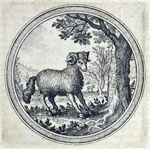
V ii 21 Liber non est, qui non aliquando nihil agit A man is not free unless he sometimes does nothing
Qui in summo otio versabantur ab omnibus feriati negotiis, ii nihil agere dicebantur. M. Tullius eodem libro, sub persona Crassi ad Scaevolam: Quid igitur, inquam, quando ages negotium publicum, quando amicorum, quando tuum? quando denique nihil ages? Tum illud addidi, mihi enim liber esse non videtur, qui non aliquando nihil agit, haec ille. mox interpretatur quid declaret, nihil agere: In qua, inquit, permaneo Catule sententia, mequo quum huc veni, hoc ipsum nihil agere, et plane cessare delectat. Nam cessare dicuntur non tantum ii qui desistunt a negotio, sed qui sunt in otio. Expedit autem interdum nihil agere, ut caetera recte agamus. Alias ostendimus eos nihil agere dici, qui inanem sumunt operam.
People entirely at leisure, free from all usual business, were said 'to do nothing.' Cicero, in the same work, makes Crassus say to Scaevola:
Well then, I said, when will you carry out your public duties? Serve your
friends? See to your own affairs? When for that matter will you do nothing?
Then I added, 'I don't think a man is free if he can't do nothing sometimes.'
He then goes on to explain what 'doing nothing' means. 'I stick to my opinion, Catulus, and when I come here what I find so delightful is precisely this doing nothing, being totally idle.' Being idle means not only not doing something specific, but being at leisure. It is a good thing to do nothing sometimes, so that we can do other things properly. I showed earlier that people who waste their time are also said 'to do nothing.'
Facsimile: 
Iconclass: 11S714 freedom, 'Libertas' ~ one of the seven gifts of the body 31B19 resting 54DD2 Idleness; 'Otio' (Ripa) 54AA1 Inactivity 51E11 Freedom, Liberty; 'Libertà' (Ripa)
Loci Communes: Inanis opera (Vain effort, Effort vain); Otium (Leisure, Loisir)
V ii 22 In herba luxuries Rank growth
Rustici semina copiosius quam expedit herbescentia, dicunt luxuriare: eam praeproperam laetitiam appellant luxuriem, quam immissis in agrum iumentis aut pecudibus corrigunt, quod illi vocant depascere Maro: Luxuriem segetum tenerd depascit in herba. M. Tull. eodem libro, quem modo citavimus: Quod si hic noster Sulpitius faceret, multo eius oratio esset pressior, in qua nunc interdum, ut in herbis rustici dicere solent, in summa ubertate inest luxuries quaedam, quae stylo depascenda est.
When crops put on too much growth, country men say they 'grow rank,' and call the unseasonal luxuriance 'rankness.' They deal with it by putting in horses or sheep to graze it down. Virgil: 'He grazes down the excessive growth while the blade is young.' In the book cited above, Cicero writes:
If our friend Sulpicius would do this, his style would be much more compact. As it is, it displays a certain rankness of growth, which, as farmers say when crops run to leaf, needs to be grazed down, in his case by the exercise of the eraser.
Facsimile:
Iconclass: 25G(+3):51H421 plants; vegetation (+ characteristics of plant growth)❧Excess 52D21 Conciseness 52DD21 Confusion, Obscurity; 'Confusione' (Ripa)
Loci Communes: Absurda, indecora, seu praepostera (Absurd, unbecoming, or preposterous things, Choses absurdes, inconvenantes ou déplacées)
V ii 23 Lacinia tenere Hold by the hem
Qui leviter rem tenent, lacinia tenere dicuntur, hoc est extrema vestis ora. cui contrarium est illud, Medius teneris. M. Tullius lib. De oratore 3. Nam illud alterum genus, quod est temporibus, locis, rebus definitum obtinent, atque id ipsum lacinia. Non dubium est, quin Cicero metaphoram duxerit à populari sermone. nam idem dictum & hodie durat apud nostrates, si quem invitant non ex animo, Inde illud, Scindere penulam. Et apud Terentium Mysis Getam resupinat pallio. Cicero videtur allusisse ad illud Plauti in Asinaria: Lachrymantem lacinia tenet lachrymans.
Those who have only a slight grasp of something are said to 'Hold it by the hem.' The opposite is 'To be gripped by the middle.' Cicero, in book three of the Making of an Orator, writes, 'The other type, which is concerned with particular times, places, things, they do grasp, but only by the hem.' Without doubt, Cicero drew this metaphor from popular speech, for we find the same saying today among our own countrymen, when someone is extending a half-hearted invitation. Related to this is 'To tear the cloak.' In Terence, Mida takes hold of Geta's cloak and jerks him back. Cicero seems to be thinking here of Plautus' line in the Comedy of Asses: 'They're both in tears, and she's hanging on to the hem of his cloak.'
Facsimile:
Iconclass: 31A251(+934):41D2121 postures and gestures of arms and hands in general (+ reaching for somebody or something, seizing something, touching)❧coat
Loci Communes: Imperitia (Inexperience, lack of skill, Inexpérience)
V ii 24 Surculum defringere Break off a twig
SImili forma dixit eodem in loco, surculum defringere, pro eo quod est, non callere totam disciplinam, sed ex ea paululum, quod ad rem praesentem faciat decerpere: quemadmodum iureconsulti nonnumquam aliquam sententiam aut fragmentum adducunt e Theologorum disciplina. Locusapud Ciceronem hunc in modum habet: Atque hactenus loquuntur, etiam hac instituendi divisione utuntur, sed ita, non utiure aut iudicio, ut denique recuperare amissam possessionem, sed ut ex iure civili surculum defringendo usurpare videantur.
In the same passage, Cicero uses a similar type of expression, 'Break off a twig,' meaning that someone does not have a thorough grasp of a whole discipline, but merely extracts the snippet that will do for present purposes. The Jurisconsults often quote some sentence or excerpt from the theologians. The passage in Cicero runs as follows:
Thus they say so far, and they use this classification in determining the type of case, but in so doing they seem not to be claiming back some lost possession by legal process or in court, but staking a claim to it by breaking off a twig from the civil law.
Facsimile:
Iconclass: 47C31(+89221) cutting (industrial process) (+ sprig, twig)
Loci Communes: Imperitia (Inexperience, lack of skill, Inexpérience)
V ii 25 Mandacium utile An advantageous lie
Dives ille apud Satyricum Iuvenalem dicit, Quid enim salvis infamia nummis? & Dorionem Terentianum non pudet vanitatis, dum ob rem. sed honesto propius est, quod ait Orestes in Electra Sophoclis. Δοκῶ μὲν οὐδὲν ῥῆμα σὺν κέρδει κακὸν. id est, Nullum reor verbum quod est lucro malum. Convenerat enim, ut fingerent ipsum esse mortuum. Sentit igitur famam mortis vivo nihil nocituram, sed ad id quod constituerant fore accmmodum: venerant enim ulturi Agamemnonis mortem, idque perfecerunt.
In Juvenal's Satires, the rich man says, 'Who cares about reputation if the money's safe?' And Dorio in Terence is not ashamed of his breach of faith so long as it makes money. More honourable is Orestes' remark in Sophocles' Electra: 'No word I deem can evil be that brings advantage.' They had agreed to pretend that he was dead, and these words show that he thinks his being thought dead will not hurt the living, but will forward the course of action on which they had decided. They had come with the intention of avenging Agamemnon's death, and that they achieved.
Facsimile: 
Iconclass: 54F14:57AA6221 Advantage❧Lie; 'Bugia' (Ripa)
Loci Communes: Simulatio, dissimulatio (Pretense, dissimulation, Simulation, dissimulation)
V ii 26 Equi generosi senectus A noble horse when old
ἵππου γῆρας, aliàs dictum est, de his qui post res praeclare gestas ob senium reiiciuntur. Sed Sophocles in eadem fabula declarat generosi equi senectutem, his versibus: Ωσερ γᾶρ ἵππος εὐγενης κἂν ἦ γέρων Εν τοῖσι δεινοῖς θυμὸν οὐκ ἀπώλεσεν, Αλλ᾽ ὀρθὸν οὖς ἵστησιν, ὡσαύτως δέ συ Ημᾶς τ᾽ ὀτρύνεις, καὐτὸς ἐν πρώτοις ἔπῃ id est, Generosus ut equus consenueritiam licet, Animum tamen numquam in periclis abicit. Sed auribus rectis stat, itidem tu quoque, Et incitas me, & ipse cum primis ades. Verba sunt Orestis ad paedagogum senem, cuius consilio et auxilio occidit Clytemnestram et Aegisthum.
[greek], A horse's old age. I have already spoken of those who after a distinguished career are rejected because they have grown old. But Sophocles in the same play testifies to the old age of a noble horse in the following lines: As a noble horse, though now advanced in years,
When dangers threaten, still his wonted spirit shows
And pricks his ears, even so do you encourage me
And stand yourself beside me in the foremost line.
Orestes says these words to his aged tutor whose support and counsel helped him to kill Clytemnestra and Aegisthus.
Facsimile:
Iconclass: 46C13141(+724) horse (+ very old animal) 31D160 Old Age, 'Senectus'; 'Vecchiezza' (Ripa)
V ii 27 Cunctatio noxia Hesitation is fatal
In eadem fabula Electra de Oreste, qui reditum proferebat ita loquitur: Μέλλων γὰρ αἰεὶ δρᾶν τι τὰς οὔσας τέ μου Καὶ τὰς ἀπούσας ἐλπίδας δίεφθορεν. id est, Dum facere semper prorogat, quae adsunt simul, Simul et futuras perdidit mihi spes meas. Proverbii ratio est in tropo, quo praesentes & absentes dixit pro omnes.
In the same play, Electra says the following about Orestes, who is delaying his return: 'Always proposing but never doing, / He has destroyed my present and my absent hopes.' The proverb lies in the use of the figure 'present and absent,' meaning 'all.'
Facsimile:
Iconclass: 53BB2:54BB31 Hesitation❧Damage, Disservice; 'Danno' (Ripa) 51MM12 Lingering
Loci Communes: Tarditatis et cunctationis (Slowness and delay, Lenteur et retard)
V ii 28 In arduis contanter agendum Go cautiously in difficult enterprises
Ibidem Electrae quaerenti de fratre: Φησίν γε, φάσκων δ᾽ οὐδὲν ὧν λέγει ποιεῖ. id est, Dicit quidem, sed e dictis facit nihil: ita respondet Chorus: Φιλεῖ γὰρ ὀκνεῖν πράγμ᾽ ἀνὴρ πράσσων μέγα. id est, Qui facinus ingens tentat, ille lentus est. Sentiens in arduis, ac periculosis negotiis non esse praecipitandum consilium. Huic rursus ita respondet Electra, Καὶ μὴν ἔγωγ᾽ ἔσωσ᾽ ἐκεῖνον οὐκ ὄκνῳ. id est, At is quidem haud contante me servatus est. Sentiens perniciosam esse cunctationem, quum urget praesens periculum.
When Electra complains about her brother, saying, 'He says, but does nothing of what he says,' the Chorus replies, 'He who embarks on a mighty deed must needs go cautiously.' This means that one must not make hasty decisions in difficult and dangerous enterprises. To this Electra replies, 'It was not by caution that I saved his life.' She means that hesitation can be fatal when danger is upon us.
Facsimile:
Iconclass: 51MM12 Lingering 53B2:54DD4 Decisiveness, Decision❧Difficulty
Loci Communes: Prudentia (Prudence, Prudence); Tarditatis et cunctationis (Slowness and delay, Lenteur et retard)
V ii 29 E paucis verbis ingens bonum aut malum A few words can be the source of great good or great evil
Ibidem Electra sic loquitur sorori Chrysothemidi. Πολλά τοι σμικροὶ λόγοι Εσφηλαν ἤδη καὶ κατώρθωσαν βροτούς. id est, Sermo profecto rebus in compluribus, Deiecit homines, simul & erexit, brevis. Sentit interdum ex paucis verbis perperam intellectis, magnos nasci errores, atque etiam erroris correctionem ex paucis recte intellectis. De levissimae rei gravissimis poenis dictum est aliàs.
In the same play Electra says to her sister Chrysothemis:
Oftimes indeed have trivial words
Cast down mortal men or set them up.
She means that great mistakes can arise from a few words misunderstood, and also a misapprehension can be rectified from a few words understood aright. I have spoken elsewhere of the serious consequences that can follow on some trivial matter.
Facsimile:
Iconclass: 49K321:46A511 word❧misunderstanding 52CC41 Error; 'Errore' (Ripa)
Loci Communes: Magni momenti (Of great importance, Grande importance)
V ii 30 Uni cum duobus non est pugnandum One should not take on two
In eadem Chrysothemis, Electrae sorori, & Choro concorditer hortantibus ita respondet, Δράσω, τὸ γὰρ δίκαιον οὐκ ἔχει λόγον Δυοῖν ἐρίζειν. id est, Factura sum, non aequum enim est, resistere Unam duobus. Affine est illi, Ne Hercules quidem adversus duos. Huc allusit & Catullus in Epithalamio, Noli pugnare duobus.
In the same play, Chrysothemis replies to her sister Electra and the Chorus who are both urging her to a particular course of action: 'I will do it. / "It is not reasonable for one against two to strive."' This is related to 'Not even Hercules can take on two.' And there is also a reference to the idea in Catullus' Epithalamium: 'Do not fight against the two.'
Facsimile:
Iconclass: 33B3:31A(+72) fighting❧the (nude) human figure; 'Corpo humano' (Ripa) (+ two persons) 54FF2 Defeat 59CC21 Inequality, Inequity, Iniquity; 'Iniquità' (Ripa)
Loci Communes: Cedendum multitudini (One must yield to the crowd, Il faut céder à la foule)
V ii 31 Mala malis eveniunt Evil grows out of evil
Clytemnestra obiurgans Electram filiam, quod per eam traduceretur, ut viricida, vicissim audit, Αἰσχροις γὰρ αἰσχρὰ πράγματ᾽ ἐκδιδάσκεται. id est, E turpibus enim facta turpia discimus. Significans quod filia de matre parum honeste loqueretur, ei imputandum, quae necando [mari]tum, & filii necem moliendo, docuisset liberos odisse matrem. id paulo post dicit explanatius, Τὰ δ᾽ ἔργα τοὺς λόγους εὐρίσκεται. id est, Porrò ipsa facta verba reperiunt sua. Scitum est illud Socratis, ut se quisque talem praestaret re, qualis haberi cuperet. Fama enim è factis velut è fonte nascitur, è bonis bona, è malis mala. proinde qui factis ignominiosis sibi peperit ignominiosam famam, ne succenseat male loquentibus. sed sibi qui ora aperuerit populo: nec moliatur vindictam in maledicos, sed bene factis rumorem foedum abolere studeat.
When Clytemnestra upbraids her daughter Electra for speaking ill of her as a murderess who had killed her own husband, she gets this answer: 'From wicked deeds other wicked deeds are learned.' This means that if the daughter spoke disrespectfully of her mother, she herself was to blame because she had taught her children to hate their mother by killing her husband and plotting her son's death. A few lines later, Electra spells it out more clearly: 'Actions generate the words to suit them.' Everyone knows Socrates' dictum 'A man should strive to be in reality what he wants to be thought to be.' Reputation has its roots in action, good from good acts, evil from evil. A man who is discredited because of his own discreditable acts has no right to be angry with those who speak ill of him, but only with himself for supplying people with material to use against him. Nor should he seek vengeance on his detractors, but rather endeavour by good deeds to wipe out the evil repute he has earned.
Facsimile: 
Iconclass: 52B5112:58A2:52B5112 Bad, Evil, Wrong❧Procreation❧Bad, Evil, Wrong 94K12 murder of Agamemnon by Clytaemnestra (and/or Aegisthus): he is killed after bathing, when he struggles with a robe without openings 59B3:54D2 Repute, Renown; 'Splendore del nome' (Ripa)❧Action; 'Operatione manifesta' (Ripa)
Loci Communes: Contagio morum (The contagion of habits, Contagion des mœurs); Ingenii malitia et institutio (Malice of character and its formation, Malice d'esprit et son origine)
V ii 32 Numinis ira inevitabilis The wrath of God cannot be escaped
Apud Homerum Iuppiter uxori minitans, appellat manus suas ἀάπτους quod laedant quoscuquque velit, quum à nemine vicissim laedi queant. Simile est quod in eadem fabula dicit Orestis paedagogus, Οταν δὲ τις θεῶν, Βλάπτη, δύναιτ᾽ ἂν οὐδ᾽ ἂν ἰσχύων φυγεῖν. id est, At ubi viro nocet deorum quispiam, Vitare possit nemo quamlibet potens. Solent homines calamitates suas in hanc, aut illam causam reicere, quum pleraque mala sic praeter omnem expectationem accidant, ut appareat à superis immitti. Adversus numinis decretum nihil valet humana providentia.
In Homer, Jupiter is threatening his wife and says that his hands are 'not to be resisted,' because they harm whom they will and cannot be harmed by anyone in return. A similar idea is expressed by Orestes' tutor in the same play: 'But whensoever a god does harm, / No one, however strong he be, ever can escape. Men usually find something or other to blame for their calamities, but in reality most of the misfortunes that occur are so beyond expectation that they seem to be visited upon us by the gods. Human foresight is powerless in the face of Heaven's decree.
Facsimile:
Iconclass: 11A3 God's wrath 52BB42:33B91 Impossibility❧hiding, hiding oneself
Loci Communes: Infortunii sive exitii (Misfortune or ruin, Malheur ou ruine); Necessitas (Necessity, Nécessité)
V ii 33 Quo terrarum raperis Where on earth are you off to?
Qui non sunt attenti ad rem propositam, negantur esse domi. Qui longius aberrant à vero, in alia regione esse dicuntur. Electra sorori nuntianti Orestem vivere qui dictus erat mortuus, ita respondet. Ωυκ οἶσθ᾽ ὅποι γῆς, οὐδ᾽ ὅποι γνώμης φέρῃ. id est, In quod solum rapiare non intelligis, Nec quo ferat mens. Proverbium est in tropo. Sic in eum, qui aberrat à re proposita apte dicetur illud, Quo nunc se proripit ille? Aut, In quam regionem abripitur? Translatum videtur à nautis.
Those who are not paying attention to the matter in hand are said to be 'away from home.' Those who are far away from the truth are said to be 'in another country.' When her sister tells her that Orestes, who was reported dead, is alive, Electra replies, 'You do not know where on earth your thoughts are rushing you, / Or where in mind you roam.' It is the metaphor that makes this proverbial. In the same way, one can say of someone who does not stick to the point, 'Where's he off to now?' or 'What compass point is he being blown to?' This last is derived from sailing.
V ii 34 Bene natis turpe est male vivere Shame it is for those well-born shamefully to live
Quidam arbitrantur ob hoc ipsum sibi licere turpiter vivere, quod honestis maioribus orti sunt, quum contra generis claritas, quasi fax addita faciat, ut nobilium errata plus habeant dedecoris, quam obscuro genere natorum. Hoc in eadem sabula sic expressit Electra. Ζῆν αἰσχρὸν αἰσχρως τοῖς καλῶς πεφυκόσι. id est, Natis honeste, turpe vivere turpiter. Quanquam Electra putat eos turpiter vivere, non qui sunt improbis moribus, sed qui vivunt in servitute, quum sint ingenui nati, ut cum illo conveniat, Ubi non sis qui fueris, non est cur velis vivere.
Some persons are of the opinion that because they come of noble ancestry, this very fact entitles them to behave disgracefully. In reality, the distinction of the family functions like a torch, with the result that the errors of those of noble birth earn more notoriety than those of humble origins. Electra expresses this sentiment in the following line from the same play: 'Shame it is for those well-born shamefully to live.' But when she speaks of 'living shamefully' here, Electra does not mean doing things that are morally wrong, but living in servitude when one is free born. This agrees with 'When you are not the man you were, why wish to go on living?'
Facsimile:
Iconclass: 59BB33:46A12 Ignobility, 'Vulgus'; 'Vulgo overo ignobilità' (Ripa)❧nobility and patriciate; chivalry, knighthood 57AA53 Scandalousness, Scandal; 'Scandolo' (Ripa)
Loci Communes: Fortunae commutatio (Change of fortune, Changement de fortune)
V ii 35 Mortui non dolent The dead have no pain
Eadem in eadem fabula, significans se spontanea morte quaesituram malorum finem, ait: Τοὺς γὰρ θανόντας οὐχ ὁρῶ λυπουμένους. id est, Nam mortuum dolere video neminem. Eoque Plinius existimat nullum beneficium à diis datum homini marus, quam quod cuique in manu est, quum velit è vita excedere. Melius Socrates, qui docet esse nephas animam iniussu imperatoris dei è corporis praesilio decedere.
In the same play, Electra announces that she will seek an end to her sorrows by taking her life. She says, ''I do not see the dead enduring pain.' It is in this belief that Pliny expresses the view that the greatest gift given by the gods to man is that each individual has the power in his own hands of choosing when to quit life. Socrates said something better. He teaches that it is wrong for the soul to desert its post in the body without the express command of God, the commander-in-chief.
Facsimile:
Iconclass: 31E2382 suicide out of despair 51AA4:56BB1 Nothingness, Absence❧Pain, Sorrow, Sadness; 'Dolore', 'Dolore di Zeusi' (Ripa)
Loci Communes: Vita hominis misera et brevis (The life of man, wretched and short, La vie de l'homme, misérable et brève)
V ii 36 Omnibus modens nocens Harming in every way
Ibidem Oresti percontanti quibus modis esset molesta Clytemnestra, manibus an veneno, respondet Electra, Καὶ χερσὶ καὶ λύμαισι καὶ πᾶσιν κακοῖς. id est, Manu & venenis & malis demum omnibus. Quadrabit in hominem, modis omnibus perniciosum, fucis, vi, verbis, factis.
In the same play, when Orestes asks how Clytemnestra is hurting her, whether by physical violence or other types of harm, Electra replies, 'By violence and by harm and every kind of ill.' This phrase will therefore fit a man who destroys in every possible way, by poison, by violence, words, deeds.
Facsimile:
Iconclass: 54AA4 Vehemence, Violence, Fierceness; 'Sforza con Inganno', 'Violenza' (Ripa) 33B14 threatening behaviour, challenging 31E2333 violent death by poison
Loci Communes: Malus vicinus (A bad neighbor, Un mauvais voisin)
V ii 37 A capite arcessere, a fonte ducere Fetch from the fountain-head; draw from the source
Quum res ab eo repetitur, quod est in negocio praecipuum, à capite arcessi dicitur. M. Tullius li. de orat. 2. Etiam aetatis est ususque nostri, à capite quod velimus arcessere, & unde omnia manant videre. Item li. de legibus 1. Alte vero & ut opinor, à capite frater repetis quae quaerimus. Et paulo post ibidem, Vis ne ergo ipsius iuris ortum à fonte repetamus? Quod ante dixit à capite, hic dicit à fonte. Rursus in Topicis, Quum autem à genere ducetur argumen tum, non erit necesse id usque à capite arcessere. In Tusculanis quaestionibus alicubi dicit A capite ducere, pro eo quod erat ab exordio repetere.
Anything derived from the ultimate authority is said to be 'Fetched from the fountain-head.' In book two of the Making of an Orator, Cicero says, 'Persons of our maturity and experience will fetch what we want from the fountain-head and see whence flows all this material.' Again, in the first chapter of book one of On the Laws, we have: 'You are leading our enquiry pretty far back, brother, right to the fountain-head.' And then: 'So do you want us to trace the origin of justice right back to the source?' He uses 'fountain-head' in the first two instances, 'source' in this last one. Again in the Topics: 'When the argument is based on genus, it will not be necessary to take that right back to the fountain-head.' In the Tusculan Disputations, somewhere or other, he uses 'Fetch from the fountain-head' in the sense of 'take right back to the beginning.'
V ii 38 Latini tibicinis more Like a Latin flute player
In M. Tullii verbis quae paulo ante retulimus ex oratione pro L. Muraena, proverbium inerat, quum ait iureconsultum instructo petitore, Latini tibicinis more transire ad eum à quo petitur, & illum sollennibus verbis instructurum. Unde nata sit similitudo, non admodum liquet, nisi quod probabilis coniectura videtur, ductum a priscis illis Latinis, qui in pagis aut oppidis unico tantum ti bicine fabulas agitabant, ad cuius modulatum vocem ac gestum accommodabant histriones, alioqui ob imperitiam non servaturi carminis rationem. Is igitur tibicen posteaquam uni actori praecinerat, cogebatur ad alterum huic responsurum transire, eique vicissim incentu tibiae metiri modulos, praeire, atque hinc rursus ad alium, quod rusticani homines absque praeeunte tibicine non possent apte saltare versus aut Mimos. Hanc coniecturam adiuvat locus, qui est apud M. Tullium in Oratore ad Brutum, ubi agit de versibus ita compositis, ut posset oratio libera solutaque videri. Quorum, inquit, similia sunt quaedam etiam apud nostros, velut illa in Thyeste. Quem nam te esse dicam, qui tarda in senecture, et quae sequuntur, quae nisi cum tibicen accessit, orationi sunt solutae simillima. Prior locus ex oratione refertur in proverbio: Causa cadere.
There is a proverb to be found in the words I quoted earlier from Cicero's speech in defence of Lucius Murena. He says there that the legal expert, after instructing the plaintiff, crosses over 'Like a Latin fluteplayer' to the defendant, to fit him up with the proper form of words. It is not all that clear how the simile originated, though it seems a reasonable conjecture that it started with those inhabitants of Latium in distant times who used to put on plays in the villages and towns, employing only one flute-player. The actors used to speak and move in time with the music, being too inexperienced otherwise to preserve the rhythm of the verse. After this flute-player had led one actor through his part, he then had to cross over to the other actor when it was his turn to speak, and by the notes of the flute guide him likewise through the measures of the verse, and then go back to the first. These rural characters were incapable of acting out plays or mimes correctly without a flute-player to lead them. This suggestion is supported by a passage in Cicero's Orator, the work addressed to Brutus, where he is talking about verse so constructed that it could pass for prose. He says there, 'We have something like this in Latin poetry too, like the lines from Thyestes: "Whoever can you be, coming in slow old age ..." Without the support of the flute-player, this is very like prose.' The earlier quotation is in the adage 'To lose one's action.'
Facsimile: 
Iconclass: 54E2 Guidance 48C7541(+0) singer accompanying himself (+ variant) 48C7525:48C7351 one person playing wind instrument❧flute, aulos, tibia
Loci Communes: Inconstantiae, perfidiae, versutiae (Inconstancy, treachery, cunning, Inconstance, perfidie, ruse)
V ii 39 In quadrum redigere To square up
Superius ex Aristotele docuimus, virum constantis animi appellari tetragonum, quòd ea figura ex omni parte sui similis est. Unde quicquid congruit & aptum est, quadrate dicitur. Id M. Tullius in oratore deflexit ad orationem concinnam et aptis numeris compositam. Itaque postquam est nata haec circumscriptio, vel. comprehensio, vel continuatio, vel ambius, si ita licet dicere, nemo qui aliquo esset in numero, scripsi orationem generis eius quod esset ad delectationem comparatum, remotumque a iudiciis forensique certamine, quin redigeret omnes fere in quadrum numerumque sententias. Metaphora ducta est a marmorariis. Non sum immemor hoc à nobis alibi positum, sed locum evidentius ostendere volui: illic enim tantum indicaram.
I quoted Aristotle in an earlier adage to the effect that a man whose spirit is unalterable is 'A four-square man,' because a square is no different, whichever side it is viewed from. Anything appropriate and fitting is said to 'square.' Cicero used the phrase 'to square up' in a metaphorical way in the Orator, when he was speaking of well-arranged, rhythmical diction: Once this periodic style, whether we call it circumscriptio, comprehensio, continuatio, or ambitu, had come into being, nobody who counted for anything composed a speech which was intended purely for enjoyment, away from the lawcourts and the confrontations of political life, without 'squaring up' practically every sentence and giving it rhythmical shape.The metaphor is derived from stonemasons. I am well aware that I have cited this phrase before, but I wanted to treat it more extensively, as I only touched on it there.
Facsimile:
Iconclass: 49D342(SQUARE) regular quadrilateral: square 53A22 Stability, Firmness; 'Fermezza', 'Stabilimento', 'Stabilità' (Ripa) 53A21 Constancy, Tenacity; 'Costanza', 'Tenacità' (Ripa)
Loci Communes: Similitudinis et congruentiae (Similarity and congruence, Similitude et convenance)
V ii 40 Απάλαιστοι Untrained
Motus & homines inconditos & arte carentes M. Tullius in eodem opere testatur à graecis appellari ἀπαλαίστους, quasi dicas à palaestra alienos, quod in palaesta exercitati, etiam in caeteris actionibus venustatem quandam habent, quemadmodum indicat in Oratore ad Brutum, Non, inquit, ut in ea tamen omnia sint, sed ut sic adiuvent ut palaestra histrionem. Talis est saltatio Cyclopica & Sileni. Verba Ciceronis asscribam. Itaque qualis eorum motus quos ἀπαλαίσους Graeci vocant, talis horum mihi videtur oratio, qui non claudunt numeris sententias. In libro De optimo genere dicendi, dixit palaestrice spaciari, pro decoro numerosoque gestu incedere. Haec, inquit, vitaverunt ferè omnes qui aut Attici numerantur aut dicunt Attice, sed quatenus voluerunt sani & sacri duntaxat habeantur, sed ita, palaestrice in Xysto spaciari ut liceat, non ut ab Olympiis coronam petant. Quin hoc ipsum ab Olympiis coronam petere, proverbii speciem habet, pro eo quod est, è rebus arduis magnam ac solidam affectare laudem, hoc est in causis seriis & gravibus vincere. Qui privatim in porticibus ad voluptatem disserunt, in Xysto spaciantur: qui in foro causas graves agunt, in solem & pulverem prodeunt, magnum periculum magnae laudis spe suspicientes.
Clumsy men and clumsy movements devoid of technique Cicero tells us in the same work were called by the Greeks [greek] 'unfamiliar with the palaestra or wrestling-ground.' Those who trained in the wrestling-ground carried over a certain gracefulness of movement to other activities. As he says in the Orator, the work dedicated to Brutus, 'Not that everything is contained in philosophy, but it helps, just as physical exercises help the actor.' Examples are the roles of the Cyclops and Silenus. What Cicero says is: 'The style of people who do not give their sentences a rhythmical closure seems to me like the movements of those whom the Greeks call [greek] "unfamiliar with the wrestling-ground."' In his book On the Best Style of Speaking, Cicero uses the words 'stroll about like a man with a disciplined body' for 'proceed with graceful and harmonious movement.' He says: These faults were avoided by practically everyone who counted as an Attic speaker or employed the Attic style. But though they may be judged to be 'sound and unblemished,' insofar as this was their aim, this only qualifies them for strolling about in the exercise-ground palaestrice like men with disciplined bodies,' not for aiming at an Olympic crown. The words 'aim at an Olympic crown' are themselves proverbial, meaning 'aspire to great and solid praise via a hard struggle,' that is, to be successful in serious and weighty cases. Those who give private lectures under porticos for entertainment are 'taking a stroll in the exercise-ground'; those who conduct important cases in the public eye go out into the heat and dust, and face great danger in the hope of winning great praise.
Facsimile:
Iconclass: 51AA4:54A33 Nothingness, Absence❧Skill, Ability; 'Artificio', 'Prontezza' (Ripa) 53BB6 Indiscipline
Loci Communes: Imperitia (Inexperience, lack of skill, Inexpérience)
V ii 41 Cadere in cursu Fall in the race
Cadere in cursu M. Tullius dixit pro eo quod est expetita laude frustrari, quemadmodum si quis ad lauream theologicam contendens emoriatur, priusquam ad summum eius nominis fastigium pervenerit. M. Tullius lib. De claris oratoribus de Galba loquens. Laudabant hunc patres nostri, favebant etiam propter patris memoriam, sd cecidit in cursu, Nam rogatione Manilia Iugurthinae coniurationis invidia, quum pro se ipse dixisset, oppressus est. Simili tropo dicimus eos è cursu revocare, quos ab instituto ad aliud quippiam retrahimus. Et in cursu esse dicuntur, qui magno studio contendunt aliquò. Metaphora sumpta est à publicis certaminibus pedibus aut equis currentium.
'Fall in the race.' Cicero used these words to mean to fail to achieve some desired recognition, just as if someone seeking a degree in theology were to die before attaining the dignity of that title. In his book about famous orators, Cicero says, speaking of Galba, 'Our fathers' generation thought highly of him, and favoured him for the sake of his father's memory, but he fell in the race. Manilius' bill caused his downfall, in spite of the fact that he spoke in his own defence, because of the ill-will occasioned by the whole business of supposed conspiracy with Jugurtha.' We use a related figure when we speak of 'calling someone out of the race,' when we make him abandon something on which he has started and do something else. And people are said to be 'in the race' when they are making supreme efforts to achieve some goal. The metaphor is derived from competitive running and horse-racing.
Facsimile:
Iconclass: 54FF1 Failure 31A2731:43C211 falling❧running, race
Loci Communes: Frustrata spes (Frustrated hope, Espoir déçu)
V ii 42 Titius The 'Titius'
Titium saltare dicebantur qui incompositè ac solutè gestiebant: Fuit enim huiusmodi saltationis genus, quod à Titio quodam malo oratore nomen invenit. M. Tul. eo quod modo ci tavimus opere: Quos Sextus Titius consequutus, homo loquax sanè & satis acutus, sed tam solutus & mollis in gestu, ut saltatio quaedam nasceretur, cui saltationi Titius nomen esset. Ita cavendum ne quid agendo dicendove facias, cuius imitatio rideatur. Citat hunc Ciceronis locum Quintilianus lib. 11. capite de pronunciatione. Similia his sunt saltare Cyclopem. Horatius, Saltaret uti Cyclopa rogabat. Et saltare cordacem, more Sileni.
Dancing with loose and sloppy movements was called 'dancing the Titius.' There was a dance of this sort which got its name from a bad orator called Titius. See Cicero, in the work I cited above: 'After these came Sextus Titius, a man with a fluent tongue and a sharp enough mind, but so sloppy and languid in movement that a dance was created called "the Titius." So you must beware of anything in delivery or manner of speaking that people will laugh at when it is mimicked.' Quintilian cites this passage from Cicero in book eleven, in the chapter on delivery. Similar phrases are 'dance the Cyclops,' as in Horace: 'He asked him to dance "the Cyclops."' Also, 'dance the cordax like Silenus.'
Facsimile: 
Iconclass: 43C96(TITIUS) proper names of dances (TITIUS) 98B(TITIUS, S.) male persons from classical history (TITIUS, S.) 33A34 person addressing a group, orator 51LL2 Irregular Motion
Loci Communes: Absurda, indecora, seu praepostera (Absurd, unbecoming, or preposterous things, Choses absurdes, inconvenantes ou déplacées)
V ii 43 Ut Phidiae signum Like a statue by Phidias
Quae primo statim aspectu probantur omnium suffragiis, ut Phidiae signum placere dicuntur. Nam quaedam signa non statim arrident, sed frequenter & propius inspecta paulatim incipiunt placere. M. Tullius eodem libro. Nam Q. Hortensii admodum adolescentis ingenium, ut Phidiae signum simul aspectum & probatum est. Is L. Crasso, Q. Scaevola consulibus primum in foro dixit, & apud hos quidem consules, & quum eorum qui adfuerunt, tum ipsorum consulum qui omnes intelligentia anteibant, iudicio discessit probatus. undeviginti annos natus erat eo tempore: haec ille. Arbitror autem Ciceronem sentire de Iove Olympio, quem finxit insignis statuarius Atheniensis Phidias, quemadmodum refert Plinius lib. 34. cap. & lib. 36. cap. 5
Things that are universally acclaimed at first sight are said to please 'Like a statue by Phidias.' Some statues are not immediately attractive, but we grow to like them if we look at them closely and often. Cicero, in the same book: 'When Quintus Hortensius was still a very young man, his ability was no sooner seen than approved, like a statue by Phidias. He made his first appearance in the courts in the consulship of Lucius Crassus and Quintus Scaevola, in the presence of these very same consuls, and won the plaudits not only of everyone else present, but of the two consuls also, who knew more about the subject than anyone else. He was nineteen years old at the time.' I imagine Cicero was thinking of the statue of Jove at Olympia, made by the famous Athenian sculptor Phidias, as Pliny tells us in book thirtyfour, chapter eight and book thirty-six chapter five.
Facsimile:
Iconclass: 48C24 piece of sculpture, reproduction of a piece of sculpture 48C21(+0) sculptor at work (+ variant) 98B(PHIDIAS)3(+9) male persons from classical history (PHIDIAS) - representations to which the NAME of a person from classical history may be attached (+ belonging to Roman history)
Loci Communes: Approbandi (Approving, Approuver)
V ii 44 In numerum pervenire Begin to count for something
Qui in aliquo precio haberi incipiunt, in numerum aliquem pervenire dicuntur: quemadmodum in aliquo numero esse dicuntur, qui sunt alicuius existimationis, & in nullo numero esse, qui plane contempti sunt. M. Tullius in eodem libro. His enim reb. infimo loco natus, & honores & gratiam & pecuniam consecutus, etiam patronorum sine doctrina, sine ingenio, aliquem in numerum pervenerat. & aliquanto post, de C. Sicinio loquens. Has ille tenens & paratus ad causas veniens, verborum non egens, ipsa illa comparatione disciplinaque dicendi iam in patronorum numerum pervenerat.
Those whom people are beginning to think well of are said to 'Begin to count for something,' just as those who have already acquired some reputation are said to 'count for something.' Those who are totally disregarded 'count for nothing.' Cicero, in the same book: 'By such activities, though of very humble birth, he achieved office, influence, and wealth, and in spite of knowing no theory and having no real ability, he came to count for something in the ranks of pleaders.' A little later, speaking of Gaius Sicinius, he says: 'By following these rules and coming well-prepared to his cases, as he was not short of words, he was able by means of these same resources and the rhetorical theory which he had acquired, to come to count for something in the ranks of pleaders.'
Facsimile:
Iconclass: 51F5:54B6 Beginning; 'Principio' (Ripa)❧Worth, Value
Loci Communes: Dignitatis (Dignity, Dignité)
V ii 45 E nevo cognoscere To know by his birth-mark
E nevo cognoscere, est ex re quapiam mimia totum hominis ingenium aestimare, quem admodum dicimus leonem ex unguibus agnoscere, & Protogenes ex linea agnovit Apellem. M. Tul. in lib. De claris oratoribus, Nunc quoniam totum me non è nevo aliquo aut crepundiis, sed corpore omni videris velle cognoscere, complectar nonnulla etiam quae fortasse videant minus necessaria. Metaphora sumpta est ab iis qui infantibus quos ablegant exponúntve, addunt crepundia, per quae agnoscantur si fortè inciderit occasio: aut nevum aliquem in corpore notant parentes. Tale signum interdum syngraphis suis addunt trapezitae.
'To know someone by his birth-mark' means to judge a person's whole nature from some small characteristic, just as we say 'To know a lion by his claws,' and as Protogenes recognized Apelles from the line. Cicero, in the book about famous orators, writes, 'As you appear to want to know me not from some birth-mark or cradle-token, but from my whole person, I will include some topics which might seem less essential.' This second metaphor is derived from the practice of adding cradle-tokens to infants who are rejected or exposed, by which they can be recognized later if ever the occasion arises. Or else the parents note some birthmark on the body. Bankers often add some such sign to their contract notes.
Facsimile:
Iconclass: 31A22625 birthmark, mole 42B351 means of identification (of foundling)
Loci Communes: Conjecturae (Conjectures, Conjectures)
V ii 46 Nepudeat artem Declare your occupation without shame
Versus erat olim populari sermone iactatus. Ne pudeat artem proloqui, quam factites. Multos non pudet turpi quaestu vivere, cum pudeat nomen eius quaestus prositeri. Quemadmodum si quis usuram exercens vocari malit negotiator. Versum citat M. Tullius eodem libro, Me autem sive pervulgatissimus ille versus, qui vetat Artem pudere proloqui quam factites, dissimulare non sinit, quin delectet: sive tuum studium hoc à me volumen expressit.
There was once a line of verse in common use: 'Be not ashamed to declare your occupation.' Many people are quite happy to live by some degrading but gainful occupation, but are ashamed to name it. Money-lenders prefer to be called financiers. Cicero cites this verse in the work I have already quoted. He says, 'Either it's that popular verse that says you shouldn't "be ashamed to declare your occupation," which won't let me conceal my pleasure in the subject; or else it's your enthusiasm that has extorted this volume from me ...'
Facsimile:
Iconclass: 57A611:59B Frankness, Loyalty; 'Lealtà', 'Realtà' (Ripa)❧Social Position
Loci Communes: Pudor (Shame, modesty, Pudeur)
V ii 47 Δωριάζειν Follow Dorian fashion
Δωριάζειν, olim dicebantur, qui corpore parum decore nudato intendebant, ductum à virginibus quae in Peloponeso discinctae, & absque tunicis esse consueverunt, tantum pallio tectae utrinque fenestrato, per quod patebant nuda corporis. Apud Lacedaemonios autem virgines certis diebus totae nudae incedebant. De Romanorum multitiis pellucentibus multa queritur Iuvenalis.
[greek], Follow Dorian fashion. Said of people who went about with their bodies uncovered in a rather indecent manner. The saying derived from the girls in the Peloponnese who normally wore neither girdle nor tunic, only an outer garment open at both sides through which part of their naked bodies could be seen. In Sparta the girls actually went totally naked on some days. Juvenal complains vehemently about the see-through garments of the Romans.
Facsimile:
Iconclass: 57AA5 Indecency, Impudence; 'Sfacciatigine' (Ripa) 57AA4 Shamelessness 32B2(DORIANS) historical peoples and nationalities (DORIANS)
Loci Communes: Impudicitia (Unchastity, Impudicité)
V ii 48 Aetoli Aetolians
Αἰτωλιταὶdicti sunt olim ioco proverbiali, qui iuxta mores Aetolorum petaces essent & improbi. Allusum est enim ad vocem, quemadmodum avidi munerum Dorice loqui dicebantur, sic αἰτωλοὶ dicti videntur, quod omnia petant, παρὰ τὸ ὅλον αἰτεῖν. Meminit Stephanus.
[greek], Sons of Aetolians, a humorous proverbial name for people who were brazen and demanding like the Aetolians. The joke depends on the name: people who expected donations were said to speak Dorian fashion, and the Aetolians were so called, it seems, 'because [greek] "they demanded the lot."' This is mentioned by Stephanus.
Facsimile:
Iconclass: 55CC11 Greed, Covetousness, Cupidity; 'Cupidità' (Ripa) 57AA4 Shamelessness 32B2(AETOLIANS) historical peoples and nationalities (AETOLIANS)
Loci Communes: Improbi (The dishonest, Les malhonnêtes)
V ii 49 Χαρωνῖται Dead man's men
Olim Charonitarum cognomen apud Romanos populari ioco tributum est iis, qui ex defuncti commentariis tuebantur quod perperam agebant. Hinc ortum. Quum M. Antonius oratione funebri prolataque C. Caesaris veste populum in eius interfectores concitasset, arripuit Caesaris commentarios, in quibus acta illius continebantur, iisque asscripsit quae libuit. Atque horum auctoritate se facere simulabat quicquid agebat, aliis tribuens ma gistratus, alios ab exilio revocans, alios e vinculis liberans. Hi omnes, quoniam se defuncti commentariis excusabant, vulgari ioco dicti sunt χαρωνῖται, ut refert Plutarchus in vita M. Antonii. Simili artificio quidam abutuntur restamentis, in quos competet itidem cognomen.
This was the joke nickname which the population of Rome gave to people who produced a defence for what they had done wrong out of a dead man's papers. It started with Mark Antony. At his funeral oration over Caesar's body, he displayed Caesar's clothes and incited the people against his assassins. He then laid hold of Caesar's papers, containing his enactments, and wrote into them whatever he fancied. He pretended to be doing whatever he did on their authority, awarding magistracies, recalling from exile, releasing from prison. All the people who benefited from this justified themselves by pointing to the dead man's papers, and so people mockingly called them 'Dead man's men,' as Plutarch tells us in his Life of Mark Antony. This same nickname can be applied to those who use the same underhand ploy on wills.
Facsimile: 
Iconclass: 42E52(+0) opening and reading of testament (+ variant) 57AA6131 Guile, Artfulness, Craftiness, Deceitfulness
Loci Communes: Imposturae (Impostures, Impostures)
V ii 50 Oculus ferre et similia Carry in one's eyes, etc.
Proverbialia sunt & illa, Oculis ferre, In sinu ferre, si quis quem insigniter amat fovetque. Translatum à matribus tenere liberos suos amantibus, à quibus non dimovent oculos, solicitae ne quid illis accidat incommodi, gestantque in sinu atque in complexu. Exempla utriusque sunt apud M. Tullius crebra. Non dissimile est, quod est apud Platonem li. De Rep. x. ἐπὶ ταῖς κεφαλαῖς περιφέρειν. id est, super capita ferre. καὶ ἐπὶ τάυτῃ τῇ σοφίᾳ οὕτω σφόδρα φιλοῦνται, ὥς τε μόνον οὐ ἐπὶ ταῖς κεφαλαῖς περιφέρουσιν αὐτοὺς οἱ ἑταῖροι. id est, Et ob hanc sapientiam in tantum amantur. ut sectatores eos tantum non in capitibus circumferant.
We have the proverbial phrases 'Carry in our eyes' and 'Carry in our bosom,' meaning 'to love and cherish someone dearly.' These are metaphors transferred from mothers, who love their children tenderly and keep their eyes fixed on them to see that no harm befalls them, and carry them about cradled in their arms. Cicero uses both metaphors frequently. There is something similar in book 10 of Plato's Republic:[greek] 'to carry round on their heads.' 'On account of this wisdom they are so loved that their followers all but carry them round on their heads.'
V ii 51 Iapeto antiquior Older than Iapetus
Ιαπέτου ἀρχαιότερος. i. Iapeto antiquior. Iupiter apud Lucianum sic alloquitur Cupidinem pueritiam excusantem, σὺ παιδίον ὦ ἔρως, ὅς ἀρχαιότερος πολὺ τοῦ Ιαπέτου. FINIS.
[greek], Older than Iapetus. This is how Jupiter in Lucian addresses Cupid, when Cupid tries to make his youth an excuse: 'So you're a child, are you? You, Eros, older than Iapetus!'
Facsimile:
Iconclass: 91B116 Iapetus 31D5 young versus old age; young and old 31D52(+0) adults behaving like children (+ variant)
Loci Communes: Diuturnum (Long-lasting things, Ce qui dure longtemps); Ingrata ob vetustatem (Unpleasant because of age, Déplaisant à cause de l'ancienneté)